Est. MMXXV · A meme of the people

Cummunity
Worker

$CUMWORKER

Serving the Cummunity since the founding of the republic. A timeless tribute, on-chain.

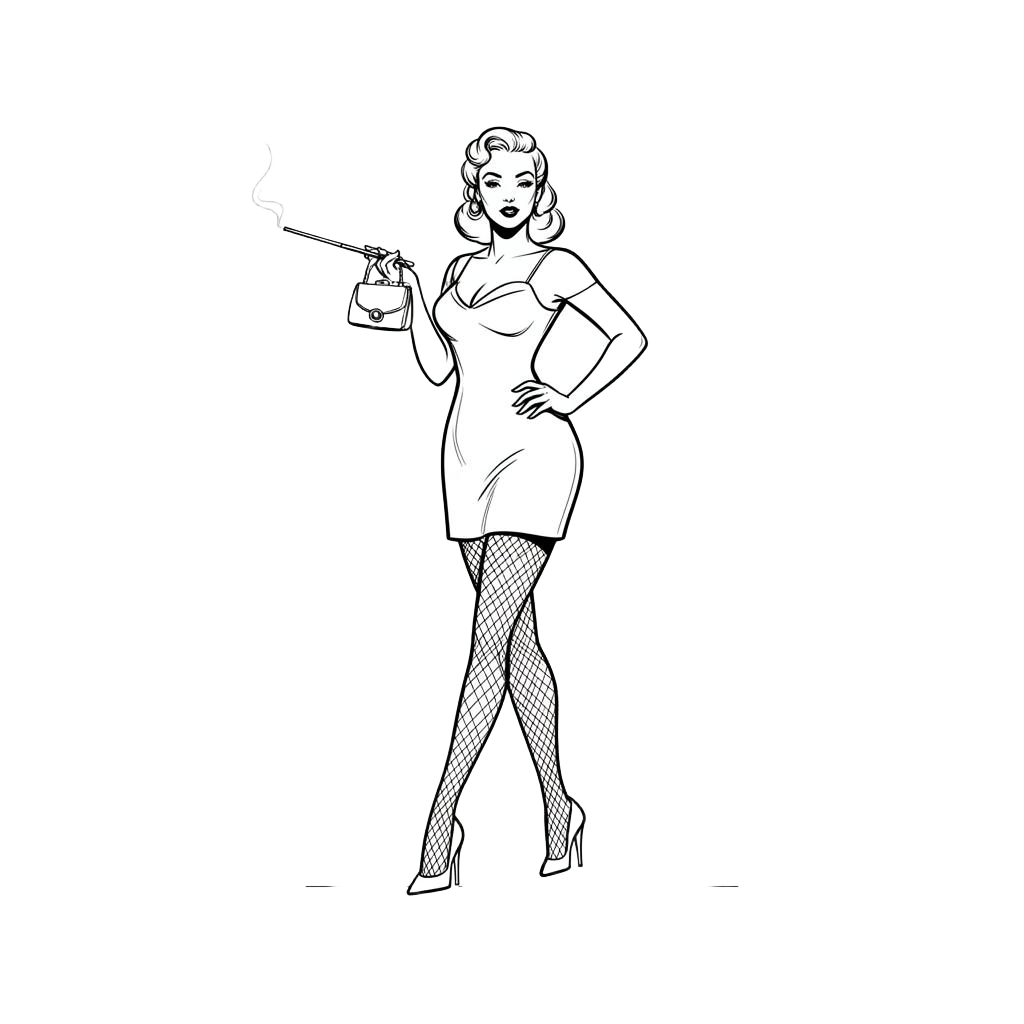
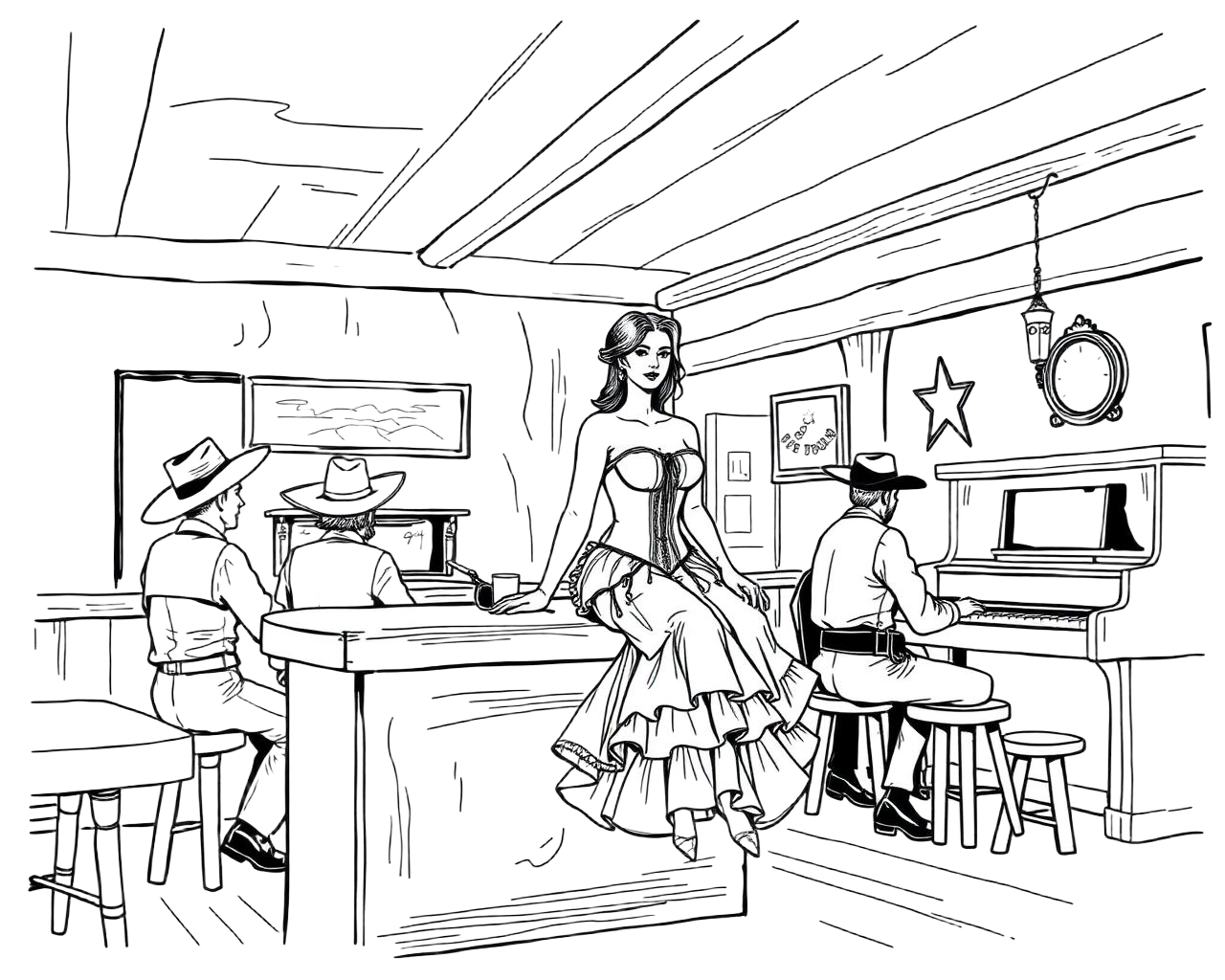
Cummunity Worker — minimalist line drawing mascot
No Roadmap·No Promises·No Judgment·Just Transaction·Liquidity Burned

Chapter I

The Ancient & Honorable
History of Cummunity Workers

From the docks of colonial ports to the gold rush boomtowns, from Storyville in New Orleans to the Wild West, Cummunity Workers have always been there — providing essential services when society needed them most.

The term "hooker" itself traces back to Civil War-era camps following General Hooker's army, but the profession is as old as America itself. These pioneers helped build frontier towns, supported lonely miners and soldiers, and quite literally helped settle the West.

In the spirit of that resilient, no-nonsense American tradition, $CUMWORKER honors the working girls who have served their communities through thick and thin.

"No judgment.
Just transaction."

Chapter II · 1865 — 1917

An Economy of Her Own

How the working girls of turn-of-the-century America quietly underwrote the saloons, the boomtowns, and half the city halls — until the legislators came knocking.

New Orleans, 1897

Storyville — the regulated district

Alderman Sidney Story drafted Ordinance 13,032 to confine prostitution to a sixteen-block quarter behind the French Quarter. He hated that the district carried his name. The girls did not. At its peak Storyville housed roughly 1,500 working women across 230 brothels, from the gilt parlors of Basin Street to the one-dollar cribs on Robertson.

The district printed its own guidebook — the Blue Book — listing every house, every madam, every price. Jazz was born in its parlors. The Navy shut it down in 1917 under the Selective Service Act, fearing what sailors might catch before shipping out to France.
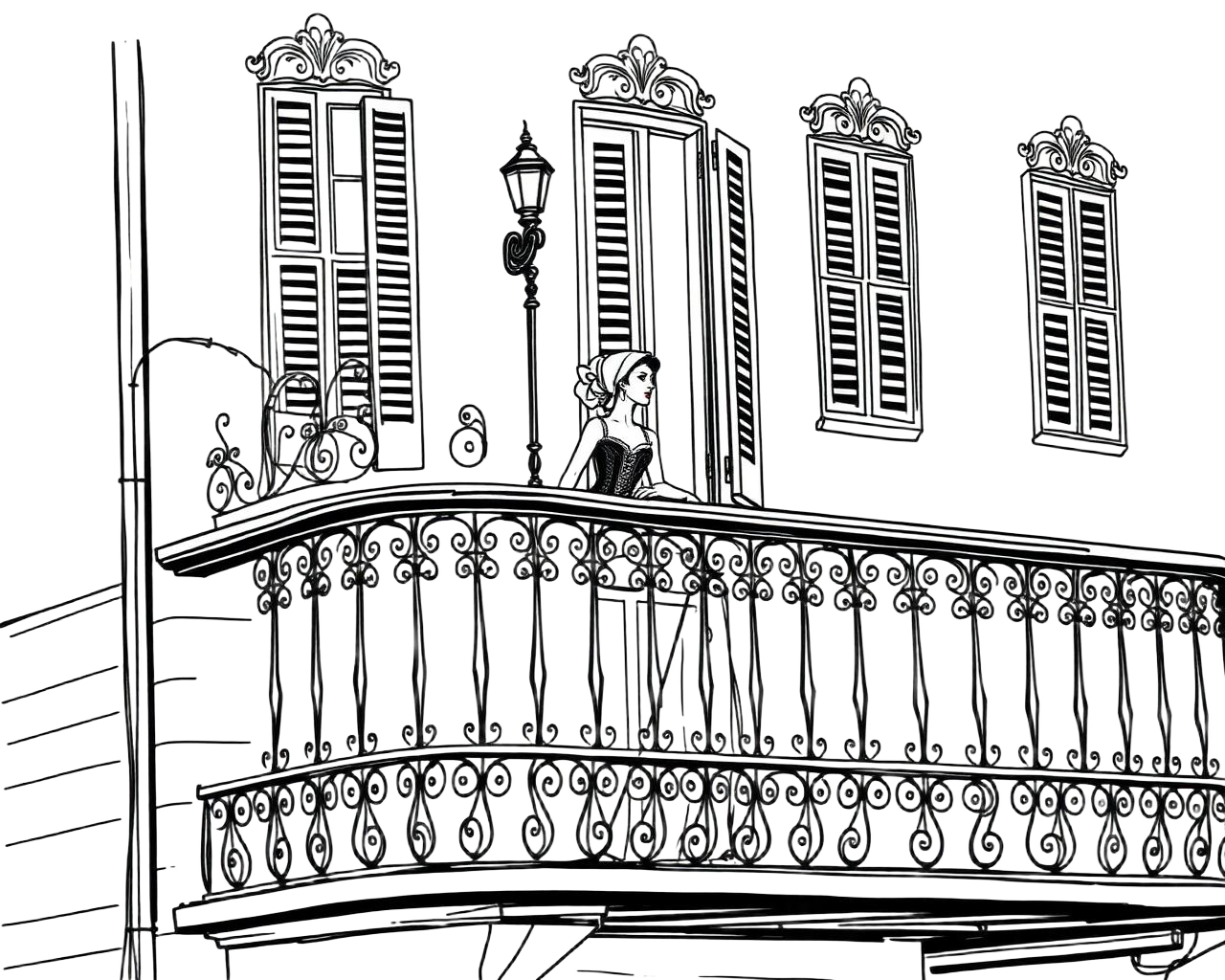
Storyville parlor balcony, New Orleans c. 1900
Frontier saloon, c. 1885

The Frontier, 1870 — 1895

The boomtown balance sheet

In Helena, Deadwood, Virginia City and Tombstone the math was simple: a mining camp had ten men for every woman, and the men had silver in their pockets and nowhere to spend it. Working girls were often the largest taxpayers in town. In Helena, Montana, prostitution-related fines generated up to 50% of municipal revenue in the 1880s.

The most successful — Dora DuFran, Mattie Silks, Josephine "Chicago Joe" Airey — owned real estate portfolios, employed dozens, banked with the bishops, and bailed out broke sheriffs. They were, by any honest accounting, the first female venture capitalists in the American West.

Five Points · Tenderloin · Barbary Coast

The streetwalker's ledger

In New York, Chicago and San Francisco, an estimated 5 — 10% of working-age women turned tricks at some point between 1880 and 1910. A garment-shop girl earned $6 a week stitching shirtwaists. A streetwalker on 14th Street could clear $50 on a Saturday night. The economics were not subtle.

That money paid the rent on tenements, bribed the beat cop, tipped the doorman, fed the saloon, kept the dressmaker employed, and — through the political clubs of Tammany Hall and its peers — financed entire wards of municipal politics.

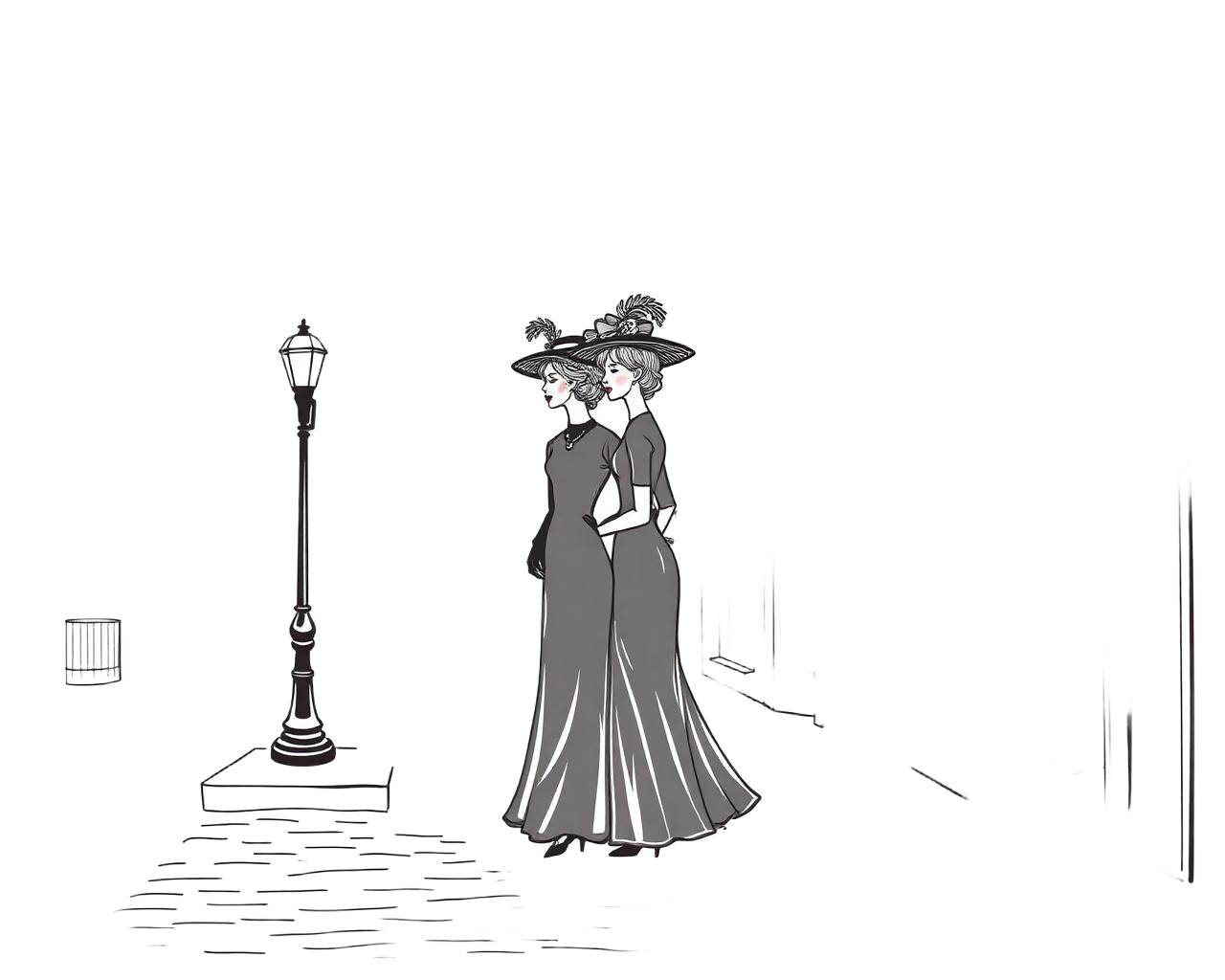
Two women on a 1900s American city street

Chapter III

The Legislation

A century of statutes written, in plain language, to shut the trade down. They never quite managed it.

  1. 1875

    The Page Act

    The first federal restrictive immigration law. Marketed as a ban on importing women 'for the purposes of prostitution,' it was used almost exclusively to bar Chinese women from entering the United States.

  2. 1910

    The Mann Act

    Formally the White-Slave Traffic Act. Made it a federal felony to transport any woman across state lines 'for the purpose of prostitution or debauchery, or for any other immoral purpose.' Vague by design, weaponized for a century.

  3. 1913

    California Red-Light Abatement Act

    Allowed any citizen to sue to close a brothel as a public nuisance. Within four years it had shuttered nearly every parlor house in San Francisco's Barbary Coast.

  4. 1917

    Selective Service Act, §13

    Banned prostitution within five miles of any military installation. Used by the Secretary of the Navy to close Storyville on November 12, 1917. The houses went dark. The musicians moved to Chicago.

  5. 1918

    Chamberlain–Kahn Act

    Authorized federal detention and forced medical examination of any woman 'reasonably suspected' of carrying a venereal disease. Roughly 30,000 American women were held in detention camps under its authority.

  6. 1986

    Nevada NRS 244.345

    The last surviving carve-out. Counties under 700,000 residents may license brothels. The trade, like the meme, refuses to die — it merely relocates.

They legislated the trade. They never legislated the demand.

The Asset

The people's
choice for
Cummunity service.

One ticker. One supply. One purpose. No taxes, no team allocation, no nonsense.

Name
Cummunity Worker
Ticker
$CUMWORKER
Chain
Solana
Total Supply
1,000,000,000
Tax
0 / 0
Liquidity
Burned · Forever
Contract
AUkqrqNnsoyLsx13ZSkU2MYSygPdz5pMFTfWP7LFpump

Step inside.

The door is always open.